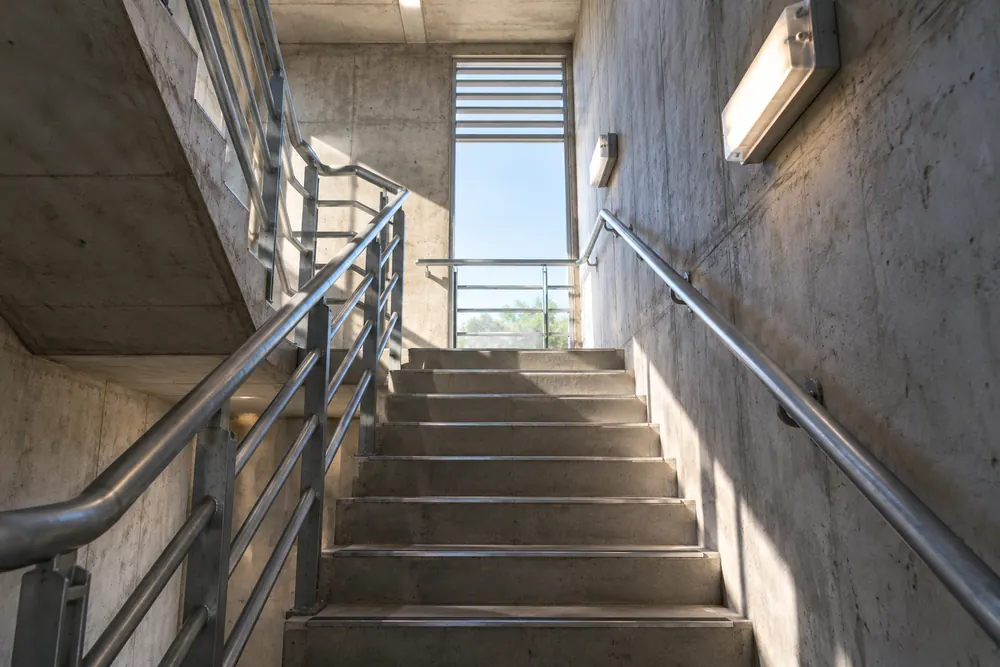
Check The Lighting People Depend On
Emergency escape lighting helps people move towards safety when normal lighting fails. Our testing enquiries cover individual self-contained fittings and centrally supplied systems, subject to a review of the installation. The first step is to understand the design, equipment and routes that the lighting is intended to serve.
A fitting that lights briefly may still fail before its intended operating duration. A test should distinguish between a short functional check and a full rated-duration test. The test method and timing need to suit the premises, its occupancy and the way the system is controlled.
Nottingham offices, retail premises, schools and warehouses all have different working patterns. Some buildings are occupied late into the evening or have rooms with little natural light. Tell us when a test can be completed and how people will be protected while batteries recover afterwards.
What Is Included In Testing?
The agreed visit should identify the fittings and accessible test facilities, check operation and record the results. Defective batteries, failed lamps, damaged fittings and missing records may need different follow-up actions. A clear asset reference is more useful than a report that simply says several lights failed.
Functional testing checks that the system changes to emergency operation. A duration test checks performance for the specified rated period. The required period must be established from the design and equipment, rather than assumed to be identical for every installation.
Testing existing fittings does not automatically confirm that lighting coverage is adequate after a layout change. New partitions, relocated exits or changed use may call for a design review. We can distinguish an operational test enquiry from one that needs a survey of the wider lighting arrangement.
The Relevant Standards And Duties
BS 5266-1:2025 provides the code of practice for emergency lighting of premises. BS EN 50172:2024 addresses emergency escape lighting systems, and BS EN 1838:2024 covers lighting performance. The relevant design and maintenance requirements should be confirmed for the installed system and the agreed work.
The Regulatory Reform (Fire Safety) Order 2005 provides the wider framework for maintaining suitable fire safety measures. GOV.UK small premises guidance sets out monthly functional checks and annual contractor inspection and testing. Keep records of these activities so the responsible person can see whether checks have been missed or defects remain open.
Plan, Test And Record
- First, provide the existing schedule, previous test records and any design information. Identify areas that cannot be left without protection and the person who can authorise testing. Central battery systems or automatic testing arrangements may require additional information before the visit.
- Next, agree when the test will happen and what arrangements will apply afterwards. A full discharge can leave batteries needing recharge time. Test timing is a risk-management decision, particularly where the building remains occupied or could suffer another supply failure.
- The engineer then completes the agreed tests and records results against the fittings or circuits inspected. A record should state any equipment that could not be tested and why. On completion, review failed units and agree any repair or replacement separately from the testing visit.
- Keep the report with the site fire safety records and update the equipment schedule after repairs. Where a defect is repaired, record the follow-up check as well as the part replaced. The responsible person needs a usable picture of the system condition rather than a series of unrelated invoices.
What Affects Testing Cost
Fitting numbers, system type, rated duration, access height and test facilities influence the quotation. Working outside normal hours or covering several separate buildings may add time. Locating unlabelled equipment and reconstructing an asset schedule are different tasks from testing a documented system.
For a useful quotation, send the premises postcode, approximate fitting count and previous report if available. Explain whether the enquiry concerns routine testing, failed fittings or altered escape routes. Ask whether minor repairs and replacement batteries are included, and confirm the report format before agreeing the visit.
Reference: BSI emergency lighting standards listings. Standards inform the agreed scope. They are not a claim of certification or accreditation.
Your Questions Answered
Is A Short Emergency Lighting Test Enough?
A short emergency lighting test confirms a different aspect of operation from a rated-duration test. It can show that fittings switch to emergency mode, but does not establish that the batteries support the intended duration. Keep both routine functional checks and the planned duration testing within the site programme, following competent advice for your system.
When Should An Emergency Lighting Duration Test Be Scheduled?
An emergency lighting duration test should be scheduled with the premises occupancy and battery recharge period in mind. After discharge, the system may not immediately provide its full protection. Agree the timing with the responsible person and consider any interim arrangements before testing, especially for sites that remain occupied after the engineer has finished.
Will Testing Confirm That Lighting Coverage Is Adequate?
Emergency lighting testing checks equipment performance within the agreed scope. It does not automatically confirm that the design still covers every escape route after a building change. If partitions, exits or use have altered, request a design review as well as testing and provide the latest layout drawings so the survey can address those changes.
Arrange The Right Next Step
We welcome commercial enquiries from Nottingham, Arnold, Beeston, Bulwell, Carlton, Colwick, Hucknall, Netherfield, Ruddington and West Bridgford. Check the areas covered and include the premises postcode so the proposed visit can be planned for your location.
If the requirement involves several trades, include them in one message. Our fire risk assessment guide explains how findings can help define the work. For wider questions, read our commercial fire safety FAQs or send an enquiry with your available records.