More Than A New Service Label
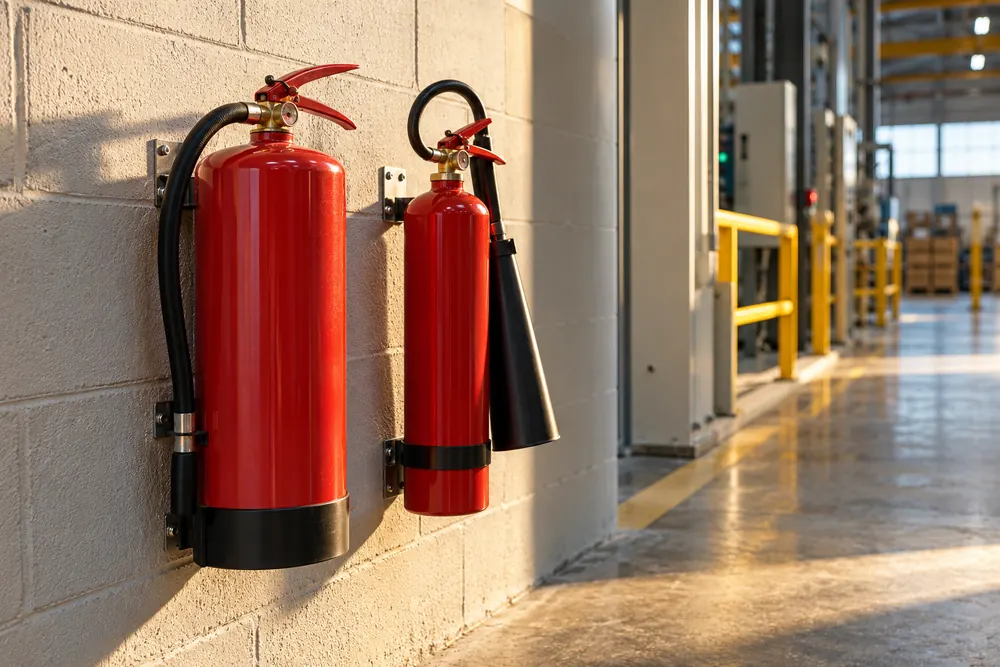
Portable extinguishers need to suit the hazards they are intended to address and remain ready for use. Our servicing enquiries cover equipment condition, service history and the practical arrangements around its location. A service label alone cannot answer whether an extinguisher is appropriate for the activity nearby.
A competent technician should identify the extinguisher type and follow the relevant service procedure. Checks may cover the body, operating components, discharge hose or horn, indications and signs of use or damage. The procedure differs between types, so a single visual glance is not a substitute for proper servicing.
Extinguishers should be accessible and their location should make sense within the fire safety arrangements. Tell us about changes to storage, machinery or kitchen equipment. A unit that was suitable for a previous activity may need to be reconsidered when the hazard changes.
Which Premises Need This Service?
We cover enquiries from business premises with portable firefighting equipment, including multi-floor offices, shops and warehouse units. Facilities managers can request a coordinated visit across several buildings. Contractors can also ask about commissioning equipment for a fit-out or recording equipment at handover.
Arrange attention after an extinguisher has been discharged, damaged or reported as missing. Do not wait for a scheduled appointment to report a concern. The responsible person should manage any temporary gap in provision and arrange suitable replacement equipment where needed.
Employees should only tackle a fire where their training and the emergency arrangements allow it. Providing portable equipment does not replace an evacuation plan. Keep access routes clear and communicate defects through a simple reporting process that staff can use.
Maintenance And Selection Standards
BS 5306-3:2017 covers commissioning and maintenance of portable fire extinguishers. Selection and positioning are addressed separately in BS 5306-8. The quotation should explain whether your visit covers servicing only or also a review of the type and distribution of equipment.
The Regulatory Reform (Fire Safety) Order 2005 provides the wider duty to maintain appropriate fire safety measures. GOV.UK small premises guidance recommends annual contractor inspection and testing of extinguishers, alongside routine visual checks. Exact maintenance requirements also depend on equipment type and manufacturer instructions.
A Clear Servicing Process
- First, send a rough equipment count, building details and any previous inventory. If you do not know the count, say so rather than estimating each device type. We can establish whether a survey or an equipment audit is needed before pricing the work.
- Next, agree access to all relevant rooms and identify any restricted areas. The technician carries out the planned service and records units requiring further attention. Discharged, damaged or unsuitable units may need different action from equipment that has simply reached a planned service stage.
- Finally, review the equipment schedule and service report. Ask for the location of each unit to be identifiable so future changes can be tracked. Record any recommended replacement, extended service or overhaul separately from completed work, and agree removal or disposal arrangements before equipment leaves the site.
What Affects Servicing Cost
Extinguisher quantities, types, service stages and building access all affect cost. Travel between buildings, permits and restricted working hours may also change the quotation. Replacement units, refills, extended servicing and disposal should be stated clearly so the price can be compared with another proposal.
A useful enquiry includes the postcode, premises use, approximate equipment count and last service information. Mention damaged or discharged units and any new hazards. We do not publish a flat price because a routine annual service and a visit involving replacement or overdue overhaul involve different work.
Reference: BSI scope of BS 5306-3:2017. Standards inform the agreed scope. They are not a claim of certification or accreditation.
Your Questions Answered
How Often Do Fire Extinguishers Need Servicing?
Fire extinguisher servicing should follow the relevant maintenance programme for the equipment. GOV.UK guidance for small commercial premises recommends annual contractor inspection and testing, with routine visual checks between visits. Different equipment types may also need extended service or overhaul, so keep the inventory and previous records available when arranging the next visit.
Does Extinguisher Servicing Include Replacement Units?
Extinguisher servicing does not automatically include replacement units. Ask the quotation to separate routine maintenance from recharging, replacement and disposal. A technician should explain why an extinguisher needs further action and whether its location or suitability also needs review, so you can authorise the right work and keep the equipment schedule accurate.
Can You Service Extinguishers Across Several Buildings?
Extinguisher servicing across several buildings can be scoped as one coordinated enquiry. Provide a site list, access arrangements and any equipment inventories so the workload is clear. Agree how each location will be identified in the records and who will receive the findings, especially where different managers control purchasing or access to individual buildings.
Arrange The Right Next Step
We welcome commercial enquiries from Nottingham, Arnold, Beeston, Bulwell, Carlton, Colwick, Hucknall, Netherfield, Ruddington and West Bridgford. Check the areas covered and include the premises postcode so the proposed visit can be planned for your location.
If the requirement involves several trades, include them in one message. Our fire risk assessment guide explains how findings can help define the work. For wider questions, read our commercial fire safety FAQs or send an enquiry with your available records.